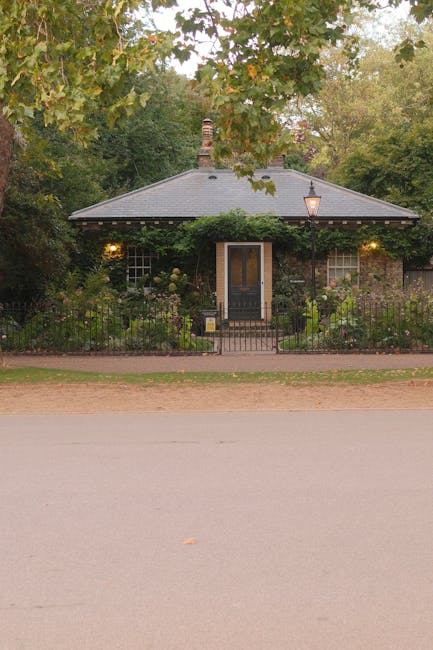
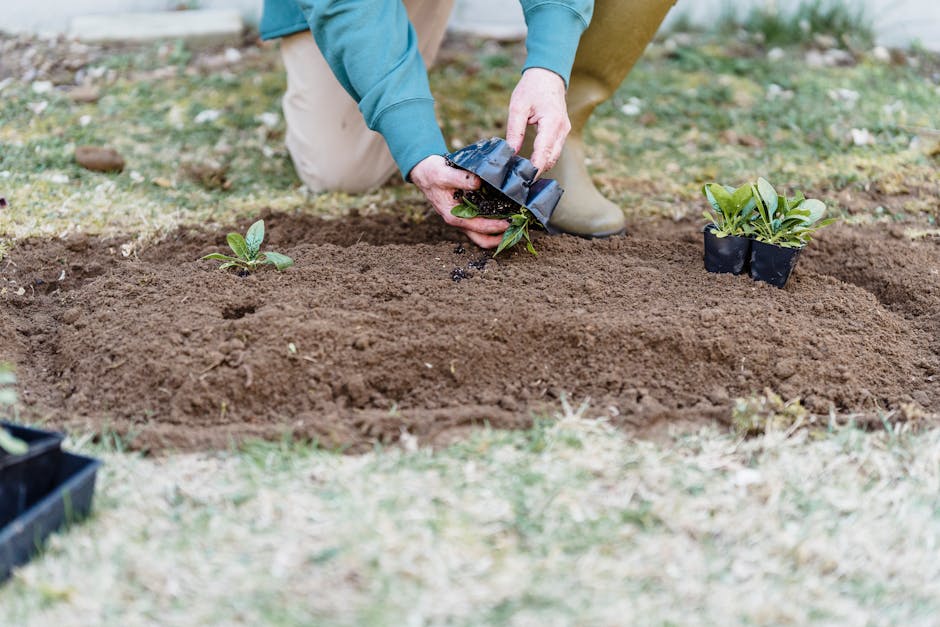
Access Problems for Yiewsley Gardeners: Narrow Gardens and Flats
If you live in Yiewsley and your garden feels more like a corridor than a garden, you are not alone. Access problems for Yiewsley gardeners narrow gardens and flats can turn even simple work into a careful little puzzle: carrying tools through a side passage, moving waste bags down steep steps, or getting equipment into a first-floor flat with no lift. It sounds minor until you are the one trying to trim a hedge while balancing a wheelbarrow and avoiding the neighbour's flowerpots. In practice, access shapes everything: what can be done, how long it takes, what it costs, and how tidy the finish can be.
This guide explains the real-world challenges, the practical fixes, and the decisions that make small-space gardening work properly. If you are planning regular upkeep, a one-off tidy-up, or a bigger improvement, it also helps to know which services fit the space best, from garden maintenance to garden clearance and more tailored work such as landscaping or hedge trimming.
Table of Contents
- Why access matters in narrow gardens and flats
- How access challenges affect the job
- Key benefits of planning access properly
- Who this is for and when it makes sense
- Step-by-step guidance
- Expert tips for better results
- Common mistakes to avoid
- Tools, resources and recommendations
- Law, compliance, standards and best practice
- Options and comparison table
- Case study or real-world example
- Practical checklist
- Conclusion
- Frequently asked questions
Why Access Problems for Yiewsley Gardeners Narrow Gardens and Flats Matters
Access is not just an inconvenience. It changes the whole shape of the work. A garden that is technically small may still be straightforward if there is a wide side gate and good rear access. Another garden that looks similar on paper can be awkward if the only entry is through the house, past fitted carpets, or around a tight shared path. That difference matters for safety, time, price, and the standard of finish.
In Yiewsley, you see a mix of compact terraces, maisonettes, flats with shared entrances, and older properties where paths narrow just when you need them not to. Let's face it, a mower is easy to use on a lawn and much harder to carry through a cluttered hallway. The same goes for hedge cuttings, soil, paving slabs, or a stack of cleared branches. If access is poor, the work can still be done, but the method has to change.
This is also why honest planning matters before anyone starts. A gardener who understands access constraints can suggest a realistic approach instead of forcing a standard setup that does not fit. That usually means fewer delays, less mess, and fewer surprises on the day. In our experience, the jobs that go smoothly are rarely the ones with the fanciest tools; they are the ones where the route in and out has been thought through.
Key point: in small or restricted spaces, good access planning is as important as the gardening itself.
How Access Problems for Yiewsley Gardeners Narrow Gardens and Flats Works
Here is the simple version: the gardener needs to get people, tools, and waste to the work area without causing damage or disruption. Sounds easy. Then reality arrives in the shape of a locked gate, a narrow side return, a shared stairwell, or a lift that is smaller than the wheelbarrow.
Access problems usually fall into a few familiar categories:
- Physical width issues: gates, passages, and stairwells may be too narrow for larger tools or barrows.
- Height or turning issues: low railings, awkward corners, or steep steps make carrying materials harder.
- Shared access: flats often involve communal entrances, timing restrictions, and the need to avoid disturbing others.
- Surface protection: carpets, wooden floors, and communal tiles may need extra care to avoid scuffs or mud.
- Waste removal issues: garden waste still has to leave the property somehow, and that is often the hardest part.
For a narrow back garden, the work method may shift to hand tools, smaller loads, and more trips. For flats, it may mean lighter equipment, earlier communication with residents, and a more controlled cleanup. Sometimes a job that would usually be tackled in one visit becomes two smaller visits. Not glamorous, but effective.
There is also a knock-on effect on the service itself. For example, lawn mowing in a compact garden may be perfectly manageable, but if the route in is tight and the waste needs to be bagged carefully, the operation becomes slower. You may find that a service such as lawn mowing still works well, while bigger clearances need a different setup or more time on site.
Key Benefits and Practical Advantages
Good access planning gives you more than convenience. It protects the property, improves the finish, and reduces the chance of unnecessary stress. That is the short version, anyway.
- Less damage risk: careful movement through tight spaces reduces scuffs, broken pots, dented skirting, and trampled borders.
- Cleaner results: when gardeners know how waste will be carried out, they can work tidier from the start.
- Better time estimates: realistic access details lead to more accurate quotes and scheduling.
- Safer work: narrow routes and stairs need the right lifting and carrying approach.
- Better service fit: the right combination of maintenance, clearance, or landscaping is easier to choose once access is understood.
There is a commercial side too. If you are comparing providers, an experienced team will usually ask detailed questions before quoting. That is a good sign. It shows they are not guessing. For example, if the work involves overgrown borders, a hedge close to a wall, or awkward bags of green waste, then a service like hedge trimming or garden clearance may need more than a quick visual estimate.
Practical advantage: the more clearly access is understood, the fewer awkward conversations you have on the day.
Who This Is For and When It Makes Sense
This topic matters if any of these sound familiar:
- You have a narrow side passage and no direct rear access.
- Your garden is long and slim, with limited room to turn tools or carry waste.
- You live in a flat or maisonette and garden work involves shared doors, stairs, or lifts.
- Your outdoor space is on a terrace, roof terrace, balcony, or a compact courtyard.
- You need regular upkeep but the access is fiddly enough to make every visit slower.
- You are planning bigger changes and want to know whether the space can realistically take them.
It also matters if you are a landlord, letting agent, block manager, or homeowner preparing a property for sale or rent. A tidy outdoor area can add a lot of visual value, but only if the work can be completed without damaging the interior or shared areas.
Truth be told, many people wait until things have become overgrown before asking these questions. That is understandable, but it can make access feel twice as hard. A garden that has been left for one growing season too long often needs a slower first visit, especially if paths are hidden, bins are in the way, or ivy has started doing what ivy does best: getting everywhere.
Step-by-Step Guidance
If you are trying to make a small garden or flat-based outdoor space workable, use this process.
- Map the route in and out. Start at the street and walk the exact route a gardener would take. Note gates, steps, door widths, overhead obstructions, and anything fragile.
- Measure the narrow points. You do not need engineering precision, but basic widths help. Can a mower fit? Can a wheelbarrow turn? Can bags be carried safely by hand?
- Identify what must stay protected. Carpets, tiles, communal hallways, railings, water features, planters, and newly painted surfaces may need covering or careful routing.
- Separate the work into parts. Decide what needs doing first: clearance, trimming, mowing, soil removal, planting, or finishing.
- Choose the right method for waste. Small bags, staged removal, or a dedicated clearance plan may work better than trying to move everything at the end.
- Share the access details early. The more honest the brief, the more accurate the plan. A good gardener would rather know there is a 70cm gap than discover it while standing there with a hedge trimmer.
- Confirm arrival and parking issues. In built-up parts of Yiewsley, parking and unloading can be part of the access problem. That affects timing more than people expect.
If the job is more than routine upkeep, it may help to combine services rather than tackle them separately. For example, an awkward overgrown border might be handled more efficiently through a mix of garden maintenance and selective landscaping, especially where access makes repeated heavy lifting a poor idea.
One useful rule: if the access is the limiting factor, design around the access, not around the ideal version of the job.
Expert Tips for Better Results
The small things make the big difference here. They really do.
- Use smaller loads. A half-full bag is easier to move safely than a bag stuffed to the point of splitting on the stairs.
- Protect floors before the first trip. Reusable coverings and careful footpaths save time later. Mud on a hallway floor is never just mud. It becomes a conversation.
- Work top-down. In narrow gardens, start where waste is most likely to block the route and move toward the exit.
- Keep tools compact. Folding handles, lightweight shears, and smaller cordless tools can be a better fit than heavy kit.
- Stage waste in safe spots. Do not create a mountain of clippings right beside the only exit. That sounds obvious, but it happens.
- Ask about shared access etiquette. In flats, timing matters. Mid-morning visits are often easier for neighbours than early starts, though each building is different.
Another helpful thought: if you are improving the space itself, not just maintaining it, some choices can make future access easier. A practical redesign, a better route for waste movement, or a cleaner edge to a boundary can reduce work time every visit. That is one reason landscape gardening can be worth considering even in compact plots. Small-space design is not about making the garden bigger. It is about making it behave better.
Sometimes the cleverest solution is the boring one: fewer obstacles, fewer trips, less stuff stored in the way. Not very cinematic, but it works.
Common Mistakes to Avoid
Most access problems become worse because of avoidable little choices. Here are the ones that come up most often.
- Assuming "small" means "easy". A tiny courtyard can still be a nightmare if every tool has to pass through a flat.
- Forgetting waste removal. People often plan the work and forget the exit. Then bags pile up and everyone gets grumpy.
- Leaving shared areas unprotected. Stair carpets and corridors are not the place to improvise.
- Booking the wrong service for the access conditions. Some jobs need clearance, some need trimming, and some need a staged approach.
- Not mentioning restrictions upfront. If there is no lift, limited parking, or a locked side gate, say so early.
- Expecting large equipment to solve everything. Bigger is not always better in tight spaces.
Another common one: people ask for a general tidy but the garden really needs a proper reset first. In that situation, a service like garden clearance may be more suitable than a standard maintenance visit. It is a bit like trying to dust a room while the shelves are full of old boxes. You can do it, but you will hate yourself halfway through.
Tools, Resources and Recommendations
For narrow gardens and flats, the right tools are usually compact, lightweight, and flexible. You are not necessarily looking for the biggest machine. You are looking for the most manageable one.
| Access challenge | Practical approach | Why it helps |
|---|---|---|
| Narrow side passage | Use compact tools and smaller waste loads | Reduces bumping, snagging, and repeated trips |
| Stairs to a flat | Stage work and protect touch points | Makes carrying safer and keeps shared areas clean |
| Limited parking | Plan arrival, unloading, and waste pickup carefully | Prevents delays before work even starts |
| Overgrown narrow garden | Start with clearance, then maintenance | Creates a workable route and avoids re-blocking access |
| Shared communal access | Use clear communication and tidy containment | Reduces friction with neighbours and building managers |
Useful recommendations are often simple:
- Choose jobs that suit the access instead of fighting the access.
- Keep a brief note of widths, steps, and any awkward points for future visits.
- Use services that fit the actual condition of the space, not the ideal version of it.
- Check whether the team understands careful waste handling and protection of indoor routes.
If you want to understand how a provider handles practical issues more broadly, it can be useful to review service information such as services overview and pricing and quotes. That gives you a sense of whether the company thinks in realistic terms or only in broad promises.
Law, Compliance, Standards, or Best Practice
For access-heavy gardening work, the key concern is usually safety and reasonable care rather than complex regulation. Still, good practice matters. A professional should think about safe carrying methods, trip hazards, protecting surfaces, and avoiding unnecessary disturbance to neighbours or shared spaces.
In the UK, common expectations include sensible risk assessment, proper handling of tools, and respect for property boundaries and communal areas. If ladders, powered equipment, sharp tools, or heavy waste are involved, the working method should reflect that. No drama, just common sense done properly.
For customers, it is reasonable to ask how a team handles access-related risks, whether they carry public liability insurance, and what they do if the route is too tight for standard equipment. Pages such as insurance and safety and health and safety policy can help explain that approach in plain language. You can also review the company's accessibility statement if you want to understand how it thinks about usability and access for different visitors and service scenarios.
If waste is being removed, handling and disposal should be tidy and lawful. If a job creates a lot of green waste, ask how that will be managed. A responsible approach to recycling and sustainability is a good sign, especially where repeated clearances are part of the plan.
Best practice in one line: assess the route, reduce the risk, and match the method to the space.
Options, Methods, or Comparison Table
Different access situations call for different methods. The table below gives a simple comparison.
| Method | Best for | Strengths | Limitations |
|---|---|---|---|
| Standard maintenance visit | Gardens with reasonable access and light upkeep | Efficient, tidy, good for ongoing care | Less suitable for overgrowth or heavy waste |
| Targeted clearance first | Small spaces blocked by weeds, cuttings, or clutter | Reopens the route and resets the garden | Usually more labour-intensive at the start |
| Compact-tool approach | Narrow gardens, flats, and awkward internal routes | Safer in tight spaces, easier to carry | Can take longer on larger tasks |
| Design-led improvement | Repeated access issues or poor layout | Reduces future friction and improves usability | Needs more planning upfront |
Choosing between these depends on the space, the urgency, and the amount of material to move. If you are not sure, start with the question: what is blocking the work most right now? Often that tells you whether maintenance, clearance, or a small design change is the better first move.
Case Study or Real-World Example
Picture a modest Yiewsley flat with a small rear courtyard. On paper, it sounds easy enough. In reality, the gardener has to pass through a shared entrance, carry equipment up a short stair flight, and work around a door that only stays open if it is wedged carefully. The courtyard itself is cramped, with a couple of pots, a slim lawn strip, and one hedge that has wandered beyond its welcome.
The first visit is not about perfection. It is about regaining control. The route is cleared and protected. Tools are kept compact. The hedge is cut back enough to create working room. Waste is bagged in smaller loads and moved out in stages. By the end, the space feels larger even though the square footage has not changed one bit. That is the magic of good access planning: it makes a small place feel usable again.
In another nearby situation, a narrow terraced garden with a long side return needed regular care but kept becoming cluttered after each season. The solution was to combine selective pruning, tidy lawn mowing, and lighter routine visits rather than waiting for another large-scale mess. It was calmer for the homeowner and, frankly, less exhausting for everyone involved.
These are not dramatic transformations. They are practical ones. And that is usually what people really want.
Practical Checklist
Use this before booking a garden job in a narrow space or flat.
- Have I described the exact access route from street to garden?
- Are there steps, narrow gates, shared hallways, or lifts to mention?
- Do any floors, carpets, or communal areas need protection?
- Is the job mainly maintenance, clearance, trimming, or a mix?
- Will waste need to be carried by hand in small loads?
- Are parking or unloading restrictions likely to affect timing?
- Have I flagged fragile items, locked doors, or neighbour-sensitive areas?
- Does the provider understand tight-access work and safe handling?
- Would a staged visit be better than trying to do everything at once?
- Do I need a one-off tidy-up or an ongoing plan that keeps access manageable?
If you can answer those questions, you are already ahead of the game. Honestly, most access headaches come from missing one or two of them.
Get a free quote today and see how much you can save.
Conclusion
Access problems for Yiewsley gardeners narrow gardens and flats are not just a logistical annoyance; they shape the whole outcome of the work. When the route is tight, the best results come from honest planning, compact methods, careful waste handling, and a service choice that fits the space rather than fighting it.
Whether you need ongoing care, a fresh start, or a more thoughtful layout for a compact outdoor area, the key is simple: make the access work first, then let the garden follow. Do that, and even the smallest space can feel calmer, cleaner, and much easier to live with. There is something satisfying about that. Very satisfying, actually.
If you want a service that understands awkward layouts, check the company's broader approach through about us and the practical details in contact us. A short conversation now can save a lot of hassle later.
Frequently Asked Questions
What are the most common access problems for Yiewsley gardeners?
The most common issues are narrow side passages, shared flat entrances, stairs, limited parking, and routes that are too tight for standard garden equipment. Waste removal can be the hardest part.
Can gardening still be done if the only access is through a flat?
Yes, often it can, but the method needs to be more careful. That usually means protecting floors, using smaller tools, carrying waste in manageable loads, and allowing extra time.
Do narrow gardens always cost more to maintain?
Not always, but they can take longer to work in. If access is restricted, quotes may reflect the extra time, the care needed, and the number of trips in and out.
What should I tell a gardener before they visit a flat or tight garden?
Tell them about gates, stairs, lifts, parking, shared areas, delicate surfaces, and how waste will leave the property. The more specific you are, the better the plan will be.
Is garden clearance better than routine maintenance for overgrown narrow spaces?
Often yes, if the space is badly blocked. Clearance can reopen the route and make later maintenance much easier. After that, regular care is usually simpler.
How do gardeners protect hallways and communal areas?
They may use coverings, carry smaller loads, clean up as they go, and plan a route that avoids unnecessary contact with walls, carpets, and shared surfaces.
What equipment works best in tight access gardens?
Compact, lightweight tools are usually best. Smaller hand tools, foldable kit, and manageable waste bags often work better than large machines that are difficult to manoeuvre.
Can access issues affect the quality of the finish?
They can if the work is rushed or the route is poorly planned. But with the right approach, a tight garden or flat-based space can still be finished neatly and professionally.
Should I ask about insurance for access-heavy jobs?
Yes. It is sensible to check how a provider handles safety, surface protection, and any risk of accidental damage, especially where work goes through shared or indoor spaces.
What if my garden is narrow and also badly overgrown?
That usually calls for a staged approach. The first step is often clearance or cutting back to create working room, followed by regular maintenance once the space is easier to access.
Are flats and maisonettes treated differently from houses?
Usually yes, because shared access, neighbour awareness, and internal protection become much more important. The work may be similar, but the logistics are more delicate.
How can I make future visits easier?
Keep access routes clear, store tools and pots away from the main path, and consider small layout changes that reduce obstacles. Even one better route can make a big difference over time.