Permits and fines explained for Yiewsley gardeners and hedge work
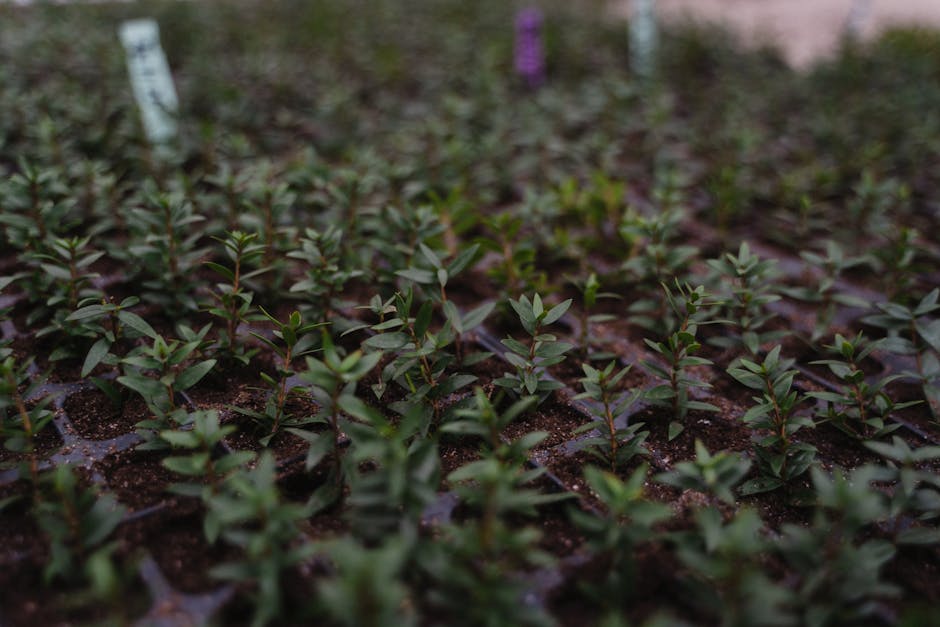
If you garden in Yiewsley, the work can look simple on the surface: trim the hedge, clear the borders, maybe remove a stubborn tree stump, and tidy the whole place up. But the moment ladders, street access, protected trees, waste removal, neighbour boundaries, or heavy equipment enter the picture, the rules get a bit less casual. That is where Permits and fines explained for Yiewsley gardeners and hedge work becomes more than a paperwork question. It can affect timing, cost, safety, and whether a job goes smoothly or turns into an avoidable headache.
This guide breaks the subject down in plain English. You will learn when permits may be needed, what commonly leads to fines, how local expectations usually work, and how to approach hedge trimming or wider garden work without unpleasant surprises. We will keep it practical, because let's face it, nobody wants a lovely hedge job to become a costly lesson.
Why permits and fines matter for Yiewsley garden work
Most hedge and garden jobs do not need a permit. That is the honest answer. But some do, and the ones that do tend to be the jobs where people assume "it will be fine." Those are usually the jobs that create trouble later.
In practical terms, permits and fines matter because garden work often affects more than your own boundary. A hedge may overhang a pavement. A skip may need space on a road. A tree may be protected. A large clearance may involve waste that has to be handled properly. One small decision can trigger council attention, neighbour complaints, or enforcement if it is done carelessly.
For Yiewsley gardeners, this is especially relevant where homes sit close together and access is tight. You will notice this in real life: a van parked awkwardly, cuttings spilling over a path, or a hedge cut during a noisy early morning slot. None of that sounds dramatic, but it is exactly the sort of thing that can create friction. And friction, in a local setting, has a way of becoming formal very quickly.
Expert summary: the safest approach is not "ask forgiveness later." It is to check whether access, waste, tree work, or highway use could require permission before the first cut is made.
If you are planning broader improvements rather than just a quick trim, it can also help to look at the wider scope of the work. Services such as garden maintenance, garden clearance, and hedge trimming often sit right on the edge between routine upkeep and regulated work. That is not a bad thing. It just means you need a sharper eye.
How permits and fines usually work
Think of permits as permission to do something that affects the public realm, a neighbour's amenity, or a protected asset. Fines usually follow when work is done without that permission, or when the work creates a breach of rules that were easy enough to check in advance.
For garden and hedge work, the most common triggers are straightforward:
- Working on or near a tree with legal protection, such as a Tree Preservation Order or a tree in a conservation area.
- Using the public highway for a skip, machinery, or materials that block access.
- Allowing debris or overgrowth to obstruct footpaths, drains, or neighbouring property.
- Carrying out work in a way that causes nuisance, such as excessive noise at the wrong time.
- Moving, storing, or disposing of waste incorrectly.
Not every issue leads directly to a fine. Sometimes you get advice, a warning, or a request to put things right. But if the issue continues, or if damage or repeated non-compliance is involved, the seriousness increases. That is the point many homeowners miss. The first mistake is often not the one that costs the most; it is the second or third.
Also worth saying: hedge work is not just about the hedge. A job may involve ladders, cutting tools, chipper use, transport of green waste, and sometimes work near fences, walls, lighting, or shared boundaries. So the permit question is often tied to the whole job, not just the plant itself.
If you are planning a larger transformation, services like landscaping or landscape gardening can bring in design and access considerations that are easy to overlook. A neat finish is great. A lawful finish is better.
Key benefits and practical advantages
It may sound odd to talk about "benefits" when the topic is permits and fines, but there are real advantages to handling this properly.
- Fewer delays - you avoid stopping halfway through a job because permission is missing.
- Lower risk of penalties - no one enjoys the paperwork that comes after a complaint.
- Better neighbour relations - especially on shared boundaries where hedge work can be sensitive.
- Cleaner project planning - you can schedule waste removal, access, and labour more sensibly.
- Safer working conditions - compliance and safety often overlap, which is actually a good thing.
There is also a quieter benefit: peace of mind. You do not spend the whole day wondering whether a parked van, a cut branch, or a protected tree is about to cause a problem. You just get on with the work.
In our experience, the households that handle these details early are usually the ones that end up happiest with the result. It is not because the gardening was more dramatic. It is because the job was calmer from start to finish.
If you need a starting point for planning the practical side of the job, the company's pricing and quotes page is a useful place to think through scope before work begins. That matters because the permit question often depends on how big the job really is, not just what it looks like from the garden gate.
Who this is for and when it makes sense
This guide is for a few different people, and probably for more than one situation at once.
- Homeowners who want hedge work, pruning, or garden clearance done properly.
- Landlords and managing agents who need gardens kept tidy without complaints or compliance issues.
- Renters who are responsible for a garden but are not sure what needs permission.
- People planning larger seasonal tidy-ups after growth has got away from them a bit.
- Anyone dealing with a boundary hedge or mature tree where rules may be tighter.
It makes the most sense when the job is not a simple cosmetic trim. If there is potential to block a pavement, use a skip, disturb nesting wildlife, cut near a protected tree, or generate a large amount of green waste, then you should slow down and check the compliance angle first.
And yes, even a routine-looking job can cross that line. A hedge may be "just a hedge" until a ladder, chipper, and street parking are all involved. Then it is a different story entirely.
Step-by-step guidance
Here is a sensible way to approach permits and fine risk before any hedge work or garden maintenance begins.
- Define the job clearly. Are you trimming, removing, reducing, clearing, or reshaping? These are not always treated the same in practice.
- Check whether the work touches the highway. Pavements, roads, verges, and shared access points can raise permission issues fast.
- Look for protected trees or special designations. If a tree is involved, do not assume it is free to cut just because it is in your garden.
- Plan waste removal. Green waste, timber, and mixed debris should be handled lawfully and sensibly. Messy piles left for days are not a great look, frankly.
- Consider timing and neighbours. Loud work early in the morning or late in the evening can create avoidable complaints.
- Use safe access methods. Ladders, power tools, and awkward cuts are where accidents happen, usually in a hurry.
- Keep evidence. Photos before and after, written approval where relevant, and basic notes can help if questions come up later.
For jobs that include removal of heavy growth, old shrubs, or accumulated debris, garden clearance is often the sensible route because it usually prompts a more deliberate plan for access and waste handling. If the work extends to woody material or trees, the company's tree lopping and removal service is the kind of thing that should be assessed carefully rather than guessed at.
A small but useful habit: before booking anything, ask yourself, "Does this job touch a boundary, a road, a tree, or a waste pile?" If the answer is yes to any of them, you are already in permit-and-compliance territory. Not always formal permits, but definitely more than a casual trim.
Expert tips for better results
Here are the details that tend to make the biggest difference in the real world.
- Book the work as a planned task, not an emergency. Rush jobs are where compliance gets skipped.
- Ask about access before the day arrives. A crew with no parking plan can end up causing a scene before the hedge is even touched.
- Separate "tidy-up" from "alteration". Cutting back overgrowth is one thing; changing a hedge line or removing a tree is another.
- Keep cuttings contained. It helps with safety, appearance, and waste handling. Simple, but effective.
- Use local judgment. A narrow street, a shared driveway, or a front garden facing the pavement changes the risk profile.
- Choose the right season. Timing matters for hedge appearance, wildlife sensitivity, and operational ease.
One small but important tip: if a job feels "probably fine," pause and ask what could go wrong if someone complained. That question catches a surprising number of issues. A bit gloomy, perhaps, but useful.
If you are also improving the rest of the garden, combining hedge work with lawn mowing or broader garden maintenance can make the overall result look much more polished. Clean edges, trimmed growth, and tidy waste disposal all support the same outcome: fewer problems, better finish.
Common mistakes to avoid
Most problems in this area are not caused by bad intentions. They are caused by assumptions.
- Assuming every hedge is unrestricted. Boundary location and protected status can change everything.
- Putting waste in the wrong place. A pile on the pavement or road edge can lead to complaints quickly.
- Ignoring neighbour impact. Overhanging branches, shared fences, and access routes matter more than people expect.
- Starting work before checking permissions. The "I'll sort it out later" approach is expensive in this context.
- Forgetting that noise can be part of compliance. It is not only about what is cut; it is also how the work is carried out.
- Mixing up pruning with removal. A light trim and a significant reduction are not the same conversation.
There is a funny little pattern here: the least glamorous admin often prevents the most annoying drama. That is gardening for you. Not always picturesque, but practical.
Another common slip is assuming one good year means the rules never mattered. Maybe a hedge was fine last summer. That does not mean the same approach is fine this year, especially if the garden has changed, the growth is heavier, or the work is now closer to the public side.
Tools, resources and recommendations
You do not need a giant toolkit to think sensibly about permits and fines. What you need is a structured approach.
- Site notes - a few written observations about access, hedge height, tree location, and boundary lines.
- Photos - useful before work starts and after it finishes.
- Property documents - title plans, boundary paperwork, or previous correspondence if you already have them.
- Waste plan - know where cuttings, branches, and soil will go before the job starts.
- A compliance-minded contractor - ideally someone who asks questions before reaching for the trimmers.
If you want to understand how a provider approaches professionalism, the pages on insurance and safety and health and safety policy are worth a look. They help you judge whether the work will be planned properly or just done quickly and hopefully. Those are not the same thing, not even close.
For people who want a broader overview of the available work, services overview is the simplest way to see how hedge work fits alongside other garden tasks. And if you are using a contractor regularly, a quick read of about us can also help you understand the approach behind the service. Small things, but they matter.
Law, compliance, standards, or best practice
This is the part people often want in plain terms: what matters legally, and what is simply best practice?
In UK garden and hedge work, the exact legal position depends on the job. As a rule of thumb:
- Protected trees and special designations can require permission before work begins.
- Public highway use may require permission where access is obstructed or equipment is placed on a road or pavement.
- Waste handling must follow proper disposal practice; fly-tipping or careless dumping can lead to serious trouble.
- Noise, nuisance, and neighbour relations may be affected by local expectations and general legal duties.
- Safety duties apply whenever work involves tools, height, heavy lifting, or risk to workers and the public.
Best practice is broader than the law. A job can be technically allowed and still be handled badly. For example, hedge cuttings left across a shared path for hours may not be a formal legal breach in every case, but it is still poor practice and may invite complaints. The safest route is to work cleanly, communicate clearly, and avoid creating a nuisance in the first place.
In practical terms, this means checking the job before the day, not during it. It also means choosing a gardener or trimming service that is comfortable saying, "We need to confirm this first." That is usually a good sign. No one wants a heroic guess here.
Options, methods, or comparison table
Different types of garden work carry different levels of permit and fine risk. This table is a simple way to compare them.
| Type of work | Typical permit risk | Main fine risk | Best approach |
|---|---|---|---|
| Routine hedge trimming | Low | Low, unless it affects boundaries or public access | Check timing, waste handling, and any neighbour impact |
| Large hedge reduction | Moderate | Moderate if noise, access, or waste is mishandled | Plan the full job, not just the cut |
| Tree pruning or removal | Higher | Higher if protected trees or conservation rules apply | Confirm status before work begins |
| Garden clearance | Low to moderate | Moderate if waste or access creates a problem | Use a clear disposal plan and keep pathways open |
| Work involving roads, pavements, or skips | Moderate to high | Higher if the public realm is obstructed | Check permissions and access arrangements early |
If your job sits between two categories, treat it as the higher-risk one. That is just sensible. It avoids the classic problem of a "small job" turning into a much larger explanation.
Case study or real-world example
Here is a realistic local scenario.
A Yiewsley homeowner wants the front hedge reduced because it has started to hide the windows and brush the pavement when it rains. At first glance, it looks like a straightforward trim. But once the plan is checked, a few things come up: the hedge overhangs the footway, the cuttings are likely to fill several bags, and a section of the work will need ladder access near a narrow front path.
Instead of starting immediately, the homeowner and gardener agree to map the boundary, confirm that no protected tree is involved, and arrange a cleaner waste plan. They also choose a weekday slot that is less likely to annoy neighbours. Nothing fancy. Just careful.
The result? The hedge is trimmed neatly, the path stays clear, cuttings are removed the same day, and no one has to deal with a complaint or a warning. That is the whole point. Not glamour. Just a job done properly.
Now imagine the same job done without checking the overhang, leaving branches on the pavement for the afternoon, and discovering afterwards that the hedge was tied to a more sensitive boundary area. That is the sort of thing that can snowball into a problem. And once it does, it usually feels obvious in hindsight. A bit too obvious.
Practical checklist
Use this before any hedge, clearance, or garden maintenance job in Yiewsley.
- Have I identified the exact scope of the work?
- Does the job affect a pavement, road, or shared access point?
- Is any tree potentially protected or sensitive?
- Have I checked boundary lines and neighbour impact?
- Do I know how waste will be removed and disposed of?
- Is the timing sensible for noise and access?
- Are ladders, tools, and equipment suitable for the site?
- Have I asked for written confirmation where needed?
- Do I need a specialist service rather than a basic trim?
- Have I set aside time to tidy the site properly after the work?
If you can tick most of those off confidently, you are in a much safer place. If not, pause. It is cheaper to pause than to fix a mistake after the fact.
Get a free quote today and see how much you can save.
Conclusion
Permits and fines in garden work are not there to make life awkward. They exist because hedge work, tree work, access issues, and waste handling can affect neighbours, the public, and the safety of the job itself. In Yiewsley, where many gardens sit close to boundaries and busy access routes, those details matter more than people sometimes expect.
The practical answer is simple: define the work clearly, check whether anything touches the highway or protected trees, plan waste removal, and choose a provider who treats compliance as part of good gardening rather than an afterthought. That mindset saves stress, and usually money too. Truth be told, it saves the afternoon.
If you approach the job carefully, hedge work can be one of the most satisfying parts of garden care. Clean lines, healthier growth, less mess, fewer worries. Nice, steady, done right.
Frequently Asked Questions
Do I need a permit to trim my hedge in Yiewsley?
Usually, routine hedge trimming does not need a permit. The issue changes if the hedge affects the public highway, forms part of a boundary dispute, or is connected to other regulated work. It is always worth checking the wider context first.
Can I be fined for putting hedge cuttings on the pavement?
Yes, that can create a problem if the cuttings obstruct the footway, create a nuisance, or are left in a way that amounts to improper waste handling. Even if the job itself is legitimate, the mess can still trigger complaints or enforcement.
What kind of hedge work is most likely to cause trouble?
Jobs that involve large reductions, front gardens beside the pavement, tight access, or nearby trees are the most likely to raise issues. The bigger the footprint of the work, the more likely permission or careful planning becomes relevant.
How do I know if a tree in my garden is protected?
You should not guess. Protected trees and conservation area trees can require formal checks before any cutting or removal. If a tree is part of the job, treat it as a compliance issue until confirmed otherwise.
Is garden clearance more risky than hedge trimming?
It can be, mainly because clearance often creates more waste and may reveal access or disposal issues. A neat trim is simpler than removing a pile of mixed debris, old growth, and awkward branches.
What happens if I ignore permission requirements?
The outcome depends on the situation, but it can range from a warning or request to put things right through to a fine or enforcement action. The best outcome is usually the boring one: you checked first and nothing went wrong.
Do I need to worry about neighbours when trimming hedges?
Yes, especially with boundary hedges. Overhanging branches, shared fences, noise, access, and debris can all create friction. A quick conversation before the job often saves a lot of annoyance later.
Can hedge work be done in winter?
Sometimes, yes, but timing should be chosen carefully. Weather, visibility, safety, and the condition of the hedge all matter. In some cases, winter work is fine; in others, it is simply not the best fit.
What should a responsible gardener check before starting?
They should check access, boundaries, waste plans, possible protected trees, safety risks, and any likely nuisance to neighbours. If they skip those steps, that is a warning sign.
Does using a professional reduce the risk of fines?
It usually helps, because a good professional will spot permit issues, handle waste properly, and work safely. That said, no one can promise zero risk if the property itself has legal or access complications.
What is the safest way to approach a hedge job near the road?
Plan the work in advance, keep the footway clear, avoid blocking access, and confirm whether any permissions or traffic-related arrangements are needed. Road-adjacent work is where small mistakes become public very quickly.
When should I ask for a quote rather than just booking the job?
Ask for a quote whenever the work might involve access issues, waste removal, tree work, or anything that sounds more than routine trimming. A proper quote helps uncover the compliance side before the day of work arrives.
Where does hedge work fit with other garden services?
Often, it fits alongside general upkeep, clearance, mowing, or broader landscaping. If the garden needs several jobs at once, looking at services overview can help you see the bigger picture before you commit.