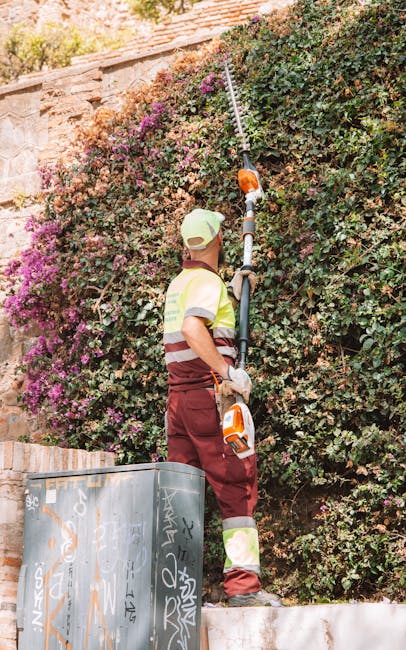
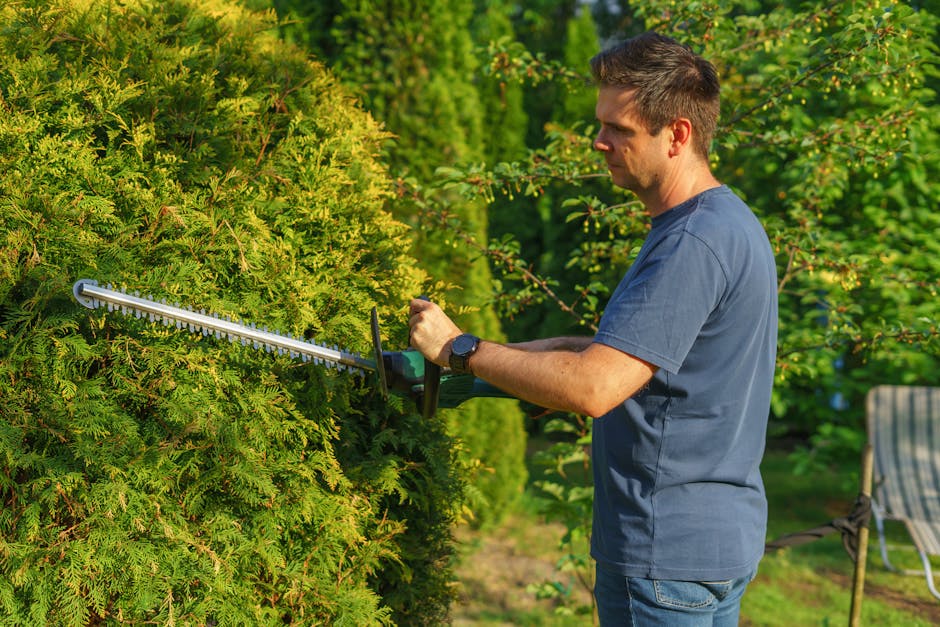
Yiewsley Station area gardeners for quick hedge trimming: a practical local guide
If your hedge has gone from neat boundary line to slightly wild green wall, you are probably looking for Yiewsley Station area gardeners for quick hedge trimming that can turn things around without making a drama of it. That is usually the real job here: quick response, tidy work, and a result that looks intentional rather than hacked back in a panic.
For homes and small businesses near Yiewsley Station, hedge trimming tends to be one of those jobs that sneaks up on you. A few wet weeks, a burst of spring growth, or a missed trim after a busy month, and suddenly the front garden feels narrower, darker, and a bit untidy. The good news? A good local gardener can usually handle it fast, sensibly, and with far less fuss than people expect.
This guide explains what quick hedge trimming actually involves, how to judge whether you need it now or later, and what a competent local service should deliver. You will also find a useful checklist, a comparison table, and answers to common questions people ask before booking. If you are comparing options, you may also want to look at garden maintenance support, hedge trimming services, and the broader local gardening service pages to see how hedge work fits into regular care.
Table of Contents
- Why quick hedge trimming matters
- How the service works
- Key benefits and practical advantages
- Who this is for and when it makes sense
- Step-by-step guidance
- Expert tips for better results
- Common mistakes to avoid
- Tools, resources and recommendations
- Law, compliance, standards and best practice
- Options, methods, and comparison
- Case study or real-world example
- Practical checklist
- Conclusion
- Frequently asked questions
Why Yiewsley Station area gardeners for quick hedge trimming Matters
There is a practical reason people search for fast hedge trimming near Yiewsley Station rather than waiting for a bigger landscaping visit. Hedges grow on their own timetable, not yours. One week they are fine, the next they are brushing the path, blocking light, or making the front of the property look a little neglected. And let's face it, once a hedge starts leaning into the pavement, you notice it every time you come home.
Quick hedge trimming matters because it solves small problems before they become larger ones. Overgrown hedges can reduce visibility at gateways and driveways, make a narrow garden feel cramped, and create avoidable complaints if branches cross a boundary. A timely trim also helps preserve the shape of the hedge, which is much easier than trying to rescue it after a long gap.
For local properties around Yiewsley Station, speed is often about convenience as much as plant care. A homeowner may need the front garden sorted before visitors arrive. A landlord may want the boundary smartened up between tenancies. A business may simply want the frontage to look cared for. In each case, a quick and well-executed trim usually does more than a full overhaul would.
If the hedge is part of a wider tidy-up, it can make sense to pair it with lawn care and edging or even a seasonal garden clearance visit. Small jobs often work best together. Strange how that happens.
How Yiewsley Station area gardeners for quick hedge trimming Works
A good hedge trimming visit is usually straightforward. You contact a local gardener, explain the hedge type and the size of the job, and arrange a visit or quote. For simple work, many gardeners can estimate quickly from photos, though a site visit is still the safest route where access is tight, heights are awkward, or the hedge is more overgrown than it first looked in the daylight.
The best services usually follow a fairly sensible sequence:
- Assessment - checking hedge species, height, width, access, and whether nesting birds or boundary issues may affect the timing.
- Agreeing scope - deciding whether the work is a light trim, a reduction, or a more noticeable reshape.
- Trimming - using the right cutting method for the plant and the finish you want.
- Waste collection - removing clippings, which matters more than people think when the cuttings are bulky and wet.
- Final tidy - sweeping paths, checking edges, and making sure the hedge looks balanced from the main viewing angles.
In practice, quick hedge trimming is not just "cut it down a bit". A skilled gardener will look at the growth pattern and decide how much can be safely removed without causing stress or leaving the hedge patchy. For evergreen hedges especially, a neat finish depends on knowing where to cut and how much green material to leave behind.
If you are also weighing up broader property care, it may help to read about property maintenance for gardens and the common garden service questions customers ask before booking. That gives a better sense of how hedge work fits into routine upkeep rather than feeling like a one-off emergency.
Key Benefits and Practical Advantages
The biggest benefit is obvious: your hedge looks better, quickly. But the practical gains go beyond appearances. A well-timed trim can improve light, restore shape, and reduce the amount of debris dropping into paths, gutters, or flower beds. If you have ever spent an autumn morning picking damp hedge clippings out of a driveway, you already know why this matters.
Here are the main advantages people usually notice:
- Better kerb appeal - especially useful for front gardens, rental properties, and shops near the station area.
- Safer access - less obstruction over paths, gates, and driveways.
- Improved light - a slimmer hedge can make a small garden feel noticeably brighter.
- Healthier growth pattern - regular trimming usually prevents the hedge becoming too woody or uneven.
- Less stress for you - because the job is handled properly, not squeezed into a rushed weekend you would rather use elsewhere.
There is also a subtler benefit: confidence. When the hedge is tidy, the whole property tends to feel more under control. That sounds a bit dramatic, maybe, but anyone who has come home to a neatly edged boundary after a messy month knows the feeling.
Expert summary: Quick hedge trimming is most valuable when it is timely, proportionate, and tidy. Fast does not need to mean careless; in fact, the best local work is usually efficient because it is planned properly.
Who This Is For and When It Makes Sense
This service suits a wide range of people, and not just those with large gardens. In the Yiewsley Station area, quick hedge trimming often makes sense for:
- homeowners who want a fast seasonal tidy-up
- landlords preparing a property between lets
- tenants who are responsible for external garden care
- older residents who do not want to manage cutting tools or ladders
- busy families trying to keep the front of the house presentable
- small businesses or offices that want a smart frontage
It is especially sensible when the hedge is healthy but simply too long, too wide, or a little untidy around the edges. That is the sweet spot. If the hedge is severely damaged, diseased, or badly neglected for years, the job may need a more considered approach than a fast trim. Truth be told, that is where a quick fix stops being the right answer.
It also makes sense before events, property photos, or seasonal changes. A hedge that has been allowed to thicken over summer can look surprisingly fierce once winter light hits it. Then again, every garden does look a bit more honest in winter.
Step-by-Step Guidance
If you want to book hedge work with fewer surprises, it helps to think through the process before the gardener arrives. A bit of preparation goes a long way, and it usually makes the visit faster as well.
1. Look at the hedge properly
Walk the boundary and check where the hedge is thickest, where it meets paths or fences, and whether any sections look dead or sparse. Take a few photos from different angles. That gives the gardener a better picture, especially if you are requesting a quick quote.
2. Decide what "quick" means for you
Are you after a light tidy, a reduction in width, or a height cut? Those are different jobs. A light trim may take an hour or two, while a reduction or reshape can take much longer. Saying "just neaten it up" is fine, but it helps to be clear about the result you want.
3. Check access
Is there side access? Can waste be moved through the house or only through a narrow gate? Is there parking nearby? Near a station area, access can be the thing that changes a tidy job into a fiddly one. A two-minute check here can save a lot of back-and-forth later.
4. Ask about waste removal
Hedge clippings pile up quickly. Ask whether the gardener will remove them, bag them, or leave them on site for composting. A good service should be clear about this. You do not want a lovely trim followed by a mountain of soggy green cuttings sitting by the path.
5. Clarify timing and finish
Ask when the work can be done and what "finished" means. For example: will the edges be swept, will the hedge be shaped evenly from the street side, and will the cuttings be taken away the same day? Small details, but they make a big difference.
For recurring care, many people combine this with regular garden maintenance so the hedge does not keep slipping back into emergency territory. That tends to be easier on both the garden and the wallet, too.
Expert Tips for Better Results
There are a few small things that separate a merely acceptable trim from a genuinely tidy one. None of them are complicated, which is the good news.
- Trim with the hedge shape in mind - most hedges look better slightly narrower at the top than the bottom, because that helps light reach the lower growth.
- Do not rush evergreen cuts in bright heat - sharp, exposed cuts can scorch or look harsh if the weather is very dry and sunny.
- Watch for nesting season concerns - if there are signs of active nests, the work may need to wait or be adjusted.
- Use the right finish for the hedge type - formal box-style hedges need a different approach from a looser boundary hedge.
- Keep the base clean - a tidy lower edge makes the whole hedge look more intentional, even if the top is the same height.
A good local gardener will usually tell you if the hedge should be left a little lighter rather than cut back hard. That advice can feel conservative at first, but it is often what protects the hedge over the long run. Sometimes the best result is the one that stops just short of overdoing it. Funny how that works.
If you are unsure whether your hedge is due a trim or a more substantial reshape, a helpful local starting point is hedge maintenance advice. That kind of guidance is especially useful after a period of rapid growth, when everything seems to need doing at once.
Common Mistakes to Avoid
Most hedge trimming problems come from either rushing, cutting too much, or not thinking about the long-term shape. It sounds simple, because it is simple. But gardens punish shortcuts quite quickly.
- Cutting too hard in one visit - that can leave bare patches, especially on older hedges.
- Ignoring species differences - yew, privet, beech, laurel, and leylandii all behave differently.
- Forgetting the boundary line - if the hedge straddles a property edge, communication matters.
- Overlooking waste removal - clipped foliage can take up more space than expected.
- Booking only by the lowest price - a rushed job may cost more to fix later.
- Trimming during the wrong conditions - very wet, windy, or bird-active periods can complicate the work.
One common mistake is assuming all "quick hedge trimming" is the same. It is not. A quick tidy on a neat front hedge is a different animal from reducing a tall, tangled boundary hedge that has not seen shears in ages. If a gardener sounds cautious about that, that is usually a good sign, not hesitation.
Tools, Resources and Recommendations
The right tools make a noticeable difference, especially when the aim is a clean finish in limited time. Most professionals use powered hedge trimmers for efficiency, but hand tools still matter for detail work and shaping. A tidy edge around gates, corners, and awkward turns often needs a more careful touch.
Common tools and resources include:
- Hedge trimmers for the main cut
- Secateurs for thicker stems and finishing
- Long-reach tools for taller sections where safe access is possible
- Tarps or sheets to collect clippings more efficiently
- Waste bags or bins for tidy disposal
- Gloves and eye protection for safer handling of debris
For readers who like to keep things simple, a good rule is this: if a hedge is small and easy, a tidy cut may only need basic equipment. If it is tall, dense, or awkwardly placed, proper tools and experience matter a lot more than people think. There is no prize for wrestling a ladder around a privet hedge in a hurry.
It may also help to browse tree and shrub care if the hedge sits among mixed planting. Sometimes what looks like one hedge job is actually part of a broader border that needs balancing out.
Law, Compliance, Standards and Best Practice
Hedge trimming is a garden job, but there are still sensible rules and best practices to follow. In the UK, a careful gardener will usually take account of property boundaries, access, waste handling, and wildlife considerations. Exact legal duties can vary depending on the situation, so if there is any dispute or uncertainty, it is wise to check the relevant local guidance or seek proper advice.
In practical terms, good practice usually means:
- checking whether the hedge is on your side of the boundary or shared
- avoiding damage to neighbouring fences, walls, or planted areas
- being cautious where birds may be nesting
- disposing of green waste responsibly
- using safe working methods for height and access
For taller or awkward hedges, safe working methods matter more than speed. A fast job is only valuable if it is done without cutting corners on safety. That includes stable footing, sensible reach, and not overreaching just to save a few minutes. Common sense, really.
If your hedge is near a pavement or road, a gardener may also plan the work to reduce obstruction and keep passers-by safe. That is not usually complicated, but it does need thought, especially in busier parts of the area.
Options, Methods, or Comparison Table
Not every hedge needs the same kind of service. The right choice depends on how much growth there is, how formal you want the finish to be, and how quickly you need the work done.
| Option | Best for | Typical outcome | Notes |
|---|---|---|---|
| Light hedge trim | Seasonal tidy-ups, smartening edges | Fast, neat refresh | Good when the hedge is already in reasonable shape |
| Reduction and reshape | Hedges that have grown too tall or wide | More noticeable change | May take longer and need more careful planning |
| Regular maintenance plan | Busy households, landlords, commercial fronts | Consistent appearance | Often prevents urgent call-outs later |
| One-off clearance and trim | Overgrown, neglected, or pre-sale gardens | Big visual improvement | Can be more labour-intensive and waste-heavy |
In plain English: if you just want things neat for the weekend, a light trim is usually enough. If the hedge is blocking windows or eating into the path, you may need a reduction rather than a quick tidy. That distinction matters, because it sets the right expectations from the start.
Case Study or Real-World Example
Here is a realistic example from the kind of work that comes up near station-side residential streets. A homeowner had a mixed boundary hedge that looked fine from a distance, but up close it was crowding the front path and throwing shade onto the porch. They did not want a full redesign, just a quick improvement before a family gathering.
The gardener arrived, checked access through the side gate, and decided on a careful trim rather than a hard reduction. The front face was straightened, the top lightly levelled, and the lower section opened up just enough to bring in more light. Clippings were collected and removed the same visit, which made the property feel tidy straight away. No fuss, no drama, just done.
The point of the example is not that every hedge should be treated the same way. It is that a fast, well-judged trim often solves the actual problem people care about: the space feels better, the frontage looks cared for, and there is no lingering job hanging over the week.
If you are planning a similar refresh, it may be worth combining it with front garden tidy-up work so the whole entrance looks finished rather than half-done.
Practical Checklist
Use this checklist before you book. It keeps the conversation simple and helps the gardener give a better estimate.
- Know roughly how tall and wide the hedge is.
- Take photos from the front, side, and any awkward corners.
- Decide whether you want a trim, reduction, or reshape.
- Check whether waste removal is included.
- Confirm access to the hedge and parking if needed.
- Ask about timing if nesting birds could be a factor.
- Think about whether other garden jobs should be done at the same time.
- Be clear about the finish you want: formal, soft, or simply tidy.
- Check if any branches cross a boundary or affect a neighbour's side.
- Ask for a realistic timeframe rather than assuming it is a one-size-fits-all job.
That last point is worth repeating. A good gardener will usually be happy to explain what can be done quickly and what needs a more careful visit. Honesty up front saves everyone a headache later.
Conclusion
Finding the right Yiewsley Station area gardeners for quick hedge trimming is really about getting a local service that understands speed, shape, tidiness, and sensible care. The best results are rarely about dramatic cuts. They come from clean work, the right judgement, and a clear idea of what you actually need.
Whether your hedge just needs a seasonal tidy or a more noticeable reset, the smartest next step is to gather a couple of photos, decide on your preferred finish, and ask a local gardener for a clear quote. That simple approach usually leads to better timing, fewer misunderstandings, and a much neater garden at the end of it.
Get a free quote today and see how much you can save.
And if you sort the hedge now, you get to enjoy the rest of the garden without that nagging little visual distraction. Sometimes that is all it takes to make a place feel properly looked after.
Frequently Asked Questions
How quickly can a gardener trim a hedge near Yiewsley Station?
For a straightforward hedge, a local gardener may be able to complete the work quite quickly, sometimes within the same day or a short booked visit. The exact time depends on hedge size, access, and whether waste removal is included.
What counts as a quick hedge trim?
A quick trim usually means a light tidy, edge straightening, and shaping rather than a full reduction. If the hedge has become very overgrown, the job will naturally take longer and may need a different approach.
Can I just ask for a quote from photos?
Yes, often you can. Photos are helpful for simple jobs, especially if you include the full hedge and any difficult access points. For taller or messy hedges, though, an on-site visit is usually more reliable.
Do gardeners remove the hedge cuttings?
Many do, but not all services include it by default. It is best to ask early so you know whether clippings will be removed, bagged, or left for you to compost.
Is hedge trimming better in spring, summer, or autumn?
That depends on the hedge type and the result you want. Light trimming is often done during the growing season, but timing should always consider plant health and nesting birds. If you are unsure, ask before booking.
What if my hedge is too tall for me to manage safely?
That is exactly when a professional gardener makes sense. Tall hedges can be awkward and risky without the right equipment and experience, especially where access is tight or the ground is uneven.
How do I know if my hedge needs trimming or a bigger reduction?
If it is only a bit untidy, a trim may be enough. If it is blocking light, reducing access, or spreading far beyond its intended shape, a reduction may be more suitable. A good gardener should explain the difference clearly.
Will hedge trimming damage the plants?
A sensible trim should not damage a healthy hedge. Problems usually happen when too much is removed at once, the wrong type of cut is made, or the hedge is trimmed at a poor time. Good judgement matters more than speed alone.
Are there any local issues I should think about near a station area?
Access, parking, foot traffic, and boundary positioning can all matter near busier streets or station-adjacent properties. None of these are usually major obstacles, but they are worth mentioning when you request a quote.
Can hedge trimming be combined with other garden work?
Absolutely. It is often more efficient to combine hedge trimming with lawn care, border tidying, or front garden cleanup. That usually gives the whole property a more finished look in one visit.
How often should a hedge be trimmed?
It depends on the species and how formal you want it to look. Fast-growing hedges need more frequent attention, while slower varieties may only need periodic shaping. A regular schedule is usually easier than waiting for the hedge to become a project.
What should I ask before hiring a gardener for hedge work?
Ask about scope, timing, waste removal, access needs, and whether the work is a trim or a reduction. Those simple questions help avoid surprises and make it easier to compare services properly.